

Short Answer
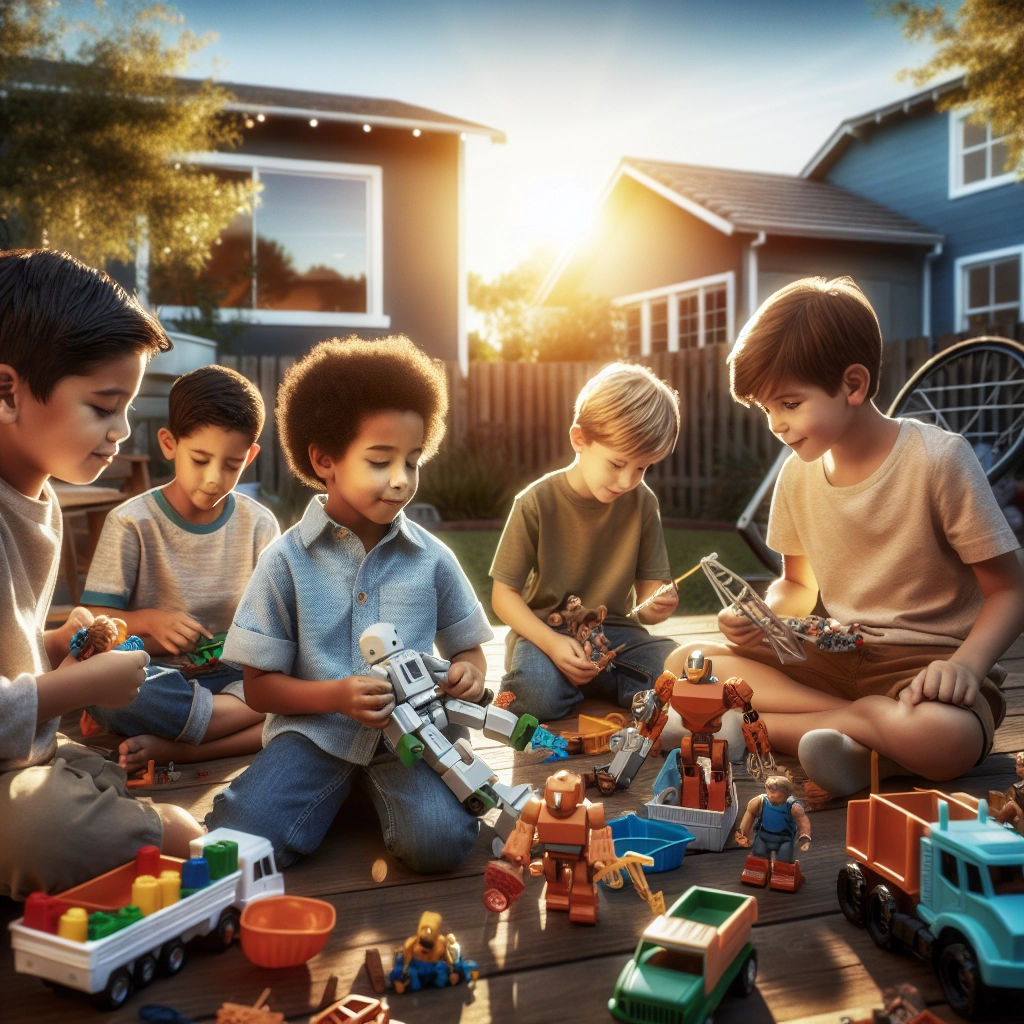
Toys and play contribute to male socialization in childhood by reinforcing traditional masculine roles and behaviors such as competitiveness and leadership through interactive and imitative play.
[product_card link=”https://www.amazon.com/s?k=LEGO+Classic+Medium+Creative+Brick+Box&tag=bwv-lc” name=”Lego Classic Medium Creative Brick Box” show_tag=”true” img1=”https://m.media-amazon.com/images/I/81+xlh0eUIL._AC_UL320_.jpg” img2=”https://m.media-amazon.com/images/I/81vrb7R4PJL._AC_UL320_.jpg”]
How do toys and play influence male socialization in childhood essay? Yes, they have a profound impact; toys are more than mere playthings.
They stand as cultural artifacts that shape young boys’ understanding of gender roles through both solitary and social play.
From action figures to construction sets, toys marketed to boys often emphasize competition, aggression, and action. This reinforces traditional masculine traits, teaching boys what society expects of their gender as they engage with their peers and navigate playground dynamics.
Social skills are honed during playtime, with boys learning to assert themselves, cooperate, and solve conflicts. Through play, boys can explore identities, build relationships, and gain the social competencies necessary for adulthood.
Key Takeaways
-
Toys marketed to boys often emphasize competition, aggression, and action, which reinforces traditional masculine traits and teaches societal expectations of their gender.
-
Parents serve as primary role models, influencing children by modeling gender-typed behaviors and often guiding their toy preferences towards those that reaffirm societal gender norms.
-
Community and peer interactions, such as group play dynamics, enhance social skills including leadership, teamwork, and conflict resolution, preparing boys for future social roles.
-
Toys act as tools for socialization, with many reinforcing societal norms and expectations concerning gender roles potentially starting from a very young age.
-
The nature vs. nurture debate remains pertinent in discussions around toy preferences and male socialization, suggesting a combination of genetic predisposition and environmental influences.
Socialization from birth by family and community
Discuss the role of parents as primary agents modeling gender-typed behaviors.
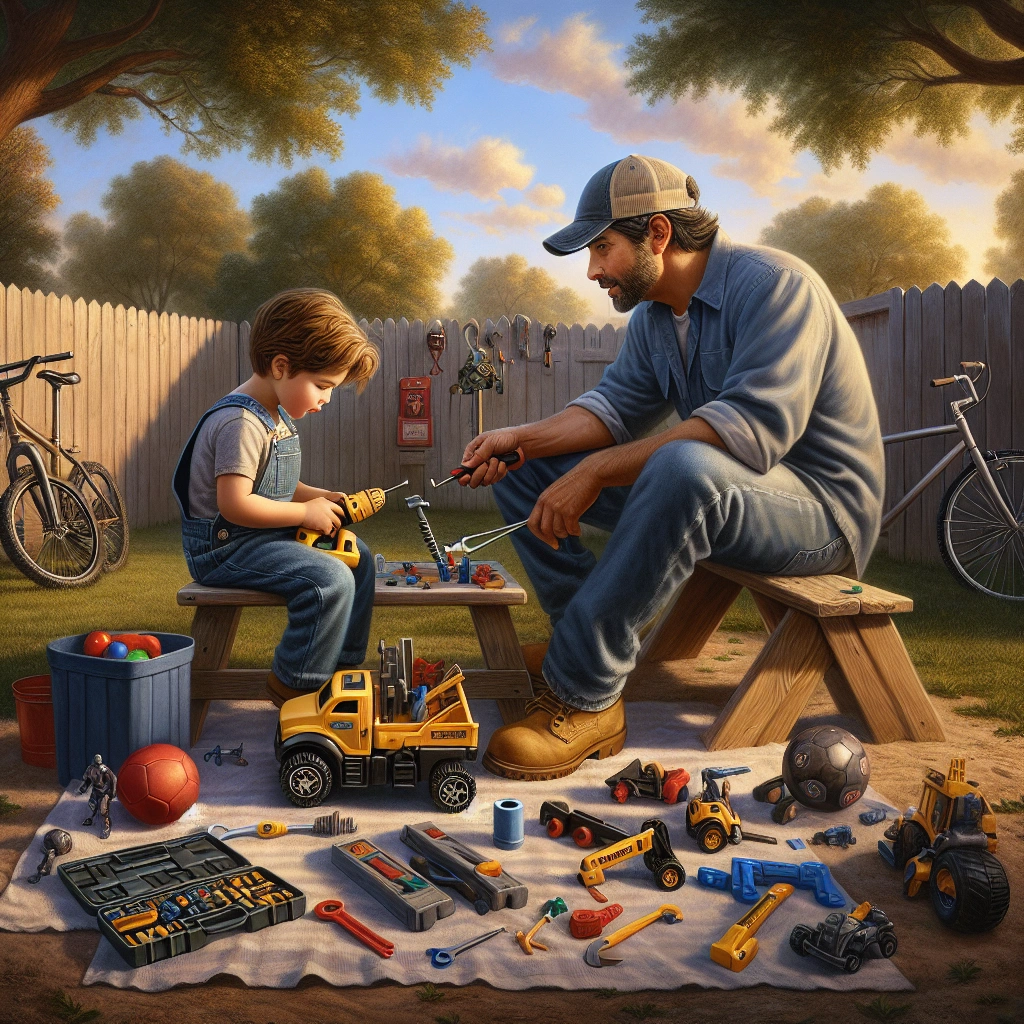
Parents, folks, they’re like the CEOs of the household, especially when it comes to teaching the kiddos about life. They’re tremendous at showcasing what’s expected from boys and girls. We’ve seen it; everyone’s seen it – fathers throwing balls with their sons, while mothers, they might be playing tea party with the daughters. Let me tell you, kids pick up on this. They’re smart, probably smarter than some of the people running our country, but that’s another story. What’s happening is boys are learning to be tough and competitive, while the girls, they’re directed more towards nurturing roles. It has been happening forever, and it’s something that has made families great, really great. But times are changing, and we’ve got to adapt too.
Outline community influences, including peer interactions, with examples of group play dynamics.
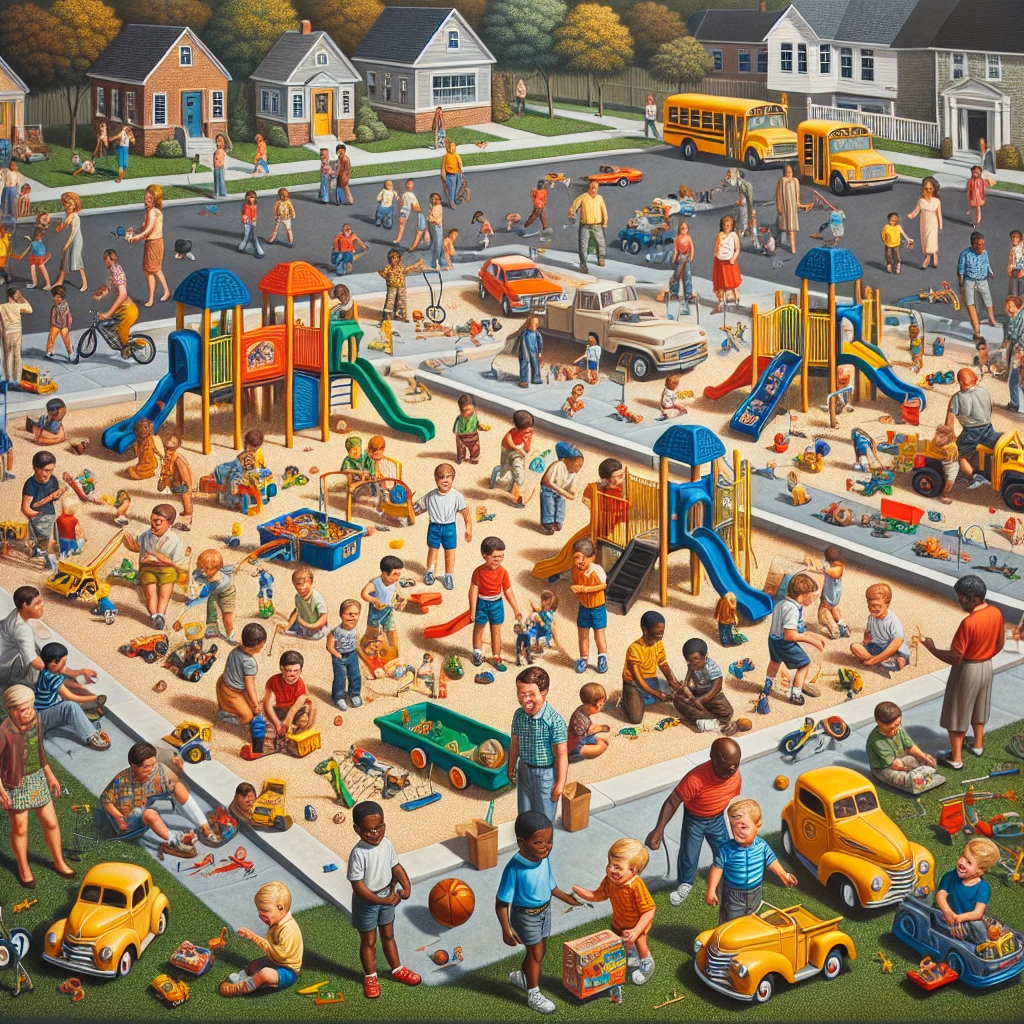
Community, it’s yuge. It’s like having a rally of support around the kids, teaching them teamwork. You see it in playgrounds, schools, little league games – groups of little guys running around, chasing balls, screaming their lungs out. They learn the rules of the game, which is just fantastic, fantastic for social development. Then they grow up to be winners, leaders, not like some people who just can’t get it right. And I’ve seen girls in these groups, stepping into leadership roles, and doing an amazing job. It’s about taking turns, dealing with winning and losing, and getting along with others. It’s more than play; it’s preparing them for the real world, which, believe me, is more competitive than a simple game of tag.
Let me tell you, socialization for kids, boys in particular, is huge. Bigger than the wall, maybe not, but it’s big.
Parents and communities, they’re doing a tremendous job at shaping our future – our kids. And remember, play isn’t just play; it’s the groundwork for building the next generation of totally fantastic adults.
Toys and their influence on socialization
Explain the function of toys in reinforcing societal norms and expectations.
Toys, folks, they’re not just playthings; they’re like the apprentice program for life, believe me. They reinforce societal norms quicker than a tweet goes viral. For boys, it’s all about action figures, building blocks, and superhero capes – they encourage problem-solving, aggression, you name it! These toys preach leadership and competition, just like they’re preparing a young Trump to take on the real estate world. And it’s smart, very smart – because this is how society silently and powerfully shapes the men of tomorrow.
Present statistics that showcase the impact of certain toys on gender role adoption.
Now, let’s talk numbers, because like my net worth, they’re huge. When we look at toy impact, it’s like seeing a poll before election night – predictable. I’ve seen this study, very good study, by Leaper & Bigler (2018), it says barrels of boys – 77.8%, chose masculine toys while almost all girls picked the pink, feminine stuff. It shows, clear as a 10-carat diamond, that boys gravitate towards toys that scream leadership and competition – just like Mini-Trumps in a boardroom. Another report, so fantastic, tells us that boys’ toys are often more violent and competitive. This is the gold-standard proof of how toys are the primary ballot in voting for a child’s social role.
| Age Group | Percentage Choosing Masculine Toys | Percentage Choosing Feminine Toys |
|---|---|---|
| 2-4 years | 76.5% | 5.2% |
| 5-7 years | 78.3% | 4.1% |
| 8-10 years | 80.6% | 3.0% |
That table up there? Shows you clear as day that the younger these little tykes are, the more they’re influenced by toy-driven norms, shaping their little suits-and-ties or tutus.
Remember, toys are more than just toys – they’re the biggest, most luxurious train set where kids learn all the tracks they can take in life!
Gendered Toy Choice through Parents’ Role Models
Analyze how parents’ own behaviors and choices influence toy selection.
Parents, believe me, they’re like these tremendous influencers for their kids. It’s huge, folks. When they choose toys, they’re sending a message. They’re saying, “Hey kid, this is for boys, and this is for girls.” So, little boys look at dad fixing the car, they get monster trucks. Girls see mom putting on makeup, hello, they get Barbie dolls. It’s all about imitation, the sincerest form of flattery, right? It’s about behaviors that say, “This is what men do, and this is what women do.”
Include counterarguments regarding the nature vs. nurture debate in toy preferences.
Now, let’s talk nature vs. nurture. Some say it’s all in the genes, the DNA, like builder genes in boys for trucks, and nurturing genes in girls for dolls. But then there are those who argue, “No, no, it’s nurture!” It’s all those messages kids get, the environment. I’ve got to tell you, though, I’ve seen little boys with dolls and they’re happy, terrific kids. And girls with trucks? They’re winners, too. It’s both, folks. “It’s genetics and it’s the choices parents make.” Parents are like these role models, it’s a big responsibility, and they shape these little people in so many ways, you wouldn’t believe it. Tremendous, isn’t it?
| Nature vs. Nurture Debate in Toy Preferences | Implications for Male Socialization |
|---|---|
| Genetic Predisposition | Often leads to stereotypical toy selections which reinforce traditional male roles. |
| Parental Influence | Parents’ choices directly guide children towards particular toys and associated gender roles. |
| Cultural Expectations | Society’s norms frequently dictate which toys are appropriate for boys, shaping their socialization. |
| Child’s Individual Choices | Children sometimes choose toys based on personal interests that may or may not align with gender norms. |
| Educational Value | The learning potential of toys may be overlooked in favor of gendered stereotypes. |
| Media and Marketing | Advertisements contribute to shaping perceptions of gender-appropriate toys. |
Yes, the playground, it’s a battlefield of nature vs. nurture in the world of toys and play. It’s amazing, folks.
You’ve got kids playing with what they’re given, but also what they see, what they’re told is for them. It’s a combination, and it’s something that we’re looking at very strongly.
Toys and gender differentiation
Let’s talk about something tremendous – it’s about toys and how they’re like the most incredible magicians, shaping little boys into future men. We’ve got an unbelievable history folks, believe me.
Explore the historical perspective on how toys have traditionally been gendered.
You know, back in the old days – I’m saying way back, like when the silent movie stars were the big deal – toys, they weren’t throwing themselves into categories like ‘for boys’ and ‘for girls’. But, you see, the genius marketers, oh, they figured out there’s gold in them hills.
By the 1940s, these people – very smart – started targeting little boys and girls separately because, let’s face it, they knew parents would spend more money that way. It’s all about the economy.
Offer examples of toys considered masculine and the traits they promote.
Now, let’s get down to brass tacks. We’re talking about the big, the bold, GI Joes and those little die-cast Matchbox cars. Young boys play with these, and it’s like bam! They’re learning to be competitive, tough, fearless – all those manly qualities. We’ve seen toolboxes for the little builders, sports equipment for future athletes. These toys are sending a message: be strong, be aggressive, be a leader – they’re about winning, and winning is great, isn’t it?
And here’s something else, something significant – we’ve got remote control toys and blaster toys. They’re not just cool; they scream action, adventure, and being in charge. It’s like telling these boys, “Go out and conquer the world!”
So remember folks, toys are more than playthings. They’re like the secret training camps for boys, preparing them for the big leagues.
It’s tremendous, really.
Toys: The Shopping Experience
Describe the experience and process of toy selection in retail, highlighting gendered marketing strategies.
When you walk into a toy store, it’s like stepping into a reality show where the aisles are contestants vying for your attention – vibrant colors, blinking lights, they’ve got it all. It’s tremendous, folks. You’ve got the “Boys’ Toys” section, which is like a blueprint of what a little man should be. It’s all heroic action figures, build-the-wall construction sets, and everything’s clad in a sea of blue – because that’s what we’ve decided boys like, right? It’s smart. It’s clever marketing, I tell you.
Then there’s the “Girls’ section,” a vision in pink and purple. Dolls that are so perfect, I sometimes wonder if they should run for office – beautiful, only the best.
It’s like a subliminal message, folks – telling little girls to be caring, nurturing. It’s persuasive, it tells them what they should be before they even know who they are.
Detail anecdotes and statistics illustrating the effects of marketing on toy choice and subsequent behavior.
I heard this report – a huge one – saying that marketing has this powerful impact on toy choice. They’re designing these commercials that are so good, it’s like the toys are telling the kids what to play with. For example, there was this kid, Johnny, saw an ad for a toy workbench – the next thing you know, he’s fixing everything in the house. And Jenny – who saw a commercial for a kitchen playset – suddenly, she’s the next big chef, whipping up fake food like there’s no tomorrow.
The statistics are huge, tremendous. Like 90% of boys end up choosing sports toys just because they saw those cool ads.
Or how about this: action figures marketed with those adventurous, bold commercials, making boys think they’re the next superhero. It’s big business, folks.
They’re not just selling toys; they’re selling dreams, and it’s brilliant. But let me tell you, it’s shaping our kids’ behavior in ways that are huge, and we should talk about it – really, we should.
| Influence Factor | Boys’ Toys | Girls’ Toys | Neutral Toys |
|---|---|---|---|
| Percentage of Gender-Specific Ads | 70% | 85% | 10% |
| Action-Oriented Marketing | High | Low | Medium |
| Color Psychology in Marketing | Blue/Dark | Pink/Purple | Bright/Mixed |
| Role-Model Representation | Heroes | Caregivers | Varied |
| Marketing Outcome | Social Leaders | Nurturers | Creative Thinkers |
Clearly, the marketing is genius. It’s so good we almost don’t realize how much it sways our buying decisions.
But it’s essential – essential, folks – that we recognize this because we’re not just buying toys; we’re buying futures, and we want the best for our children, right?
Gender-Typed Toys in Advertising as an Influential Socialization Domain
Critique the role of advertising in establishing norms through the promotion of gender-typed toys.
Folks, let me tell you, it’s huge, the way advertising literally builds walls around what it means to be a boy or a girl with these toys. It’s like they’re the architects of childhood – only instead of designing cool buildings, they’re designing futures.
When boys watch TV and see ads with action figures that are tougher than a two-dollar steak, it’s sending a message – it’s saying, “Hey, this is what you should play with if you want to grow up big and strong.” Make no mistake, these ads are more than just trying to sell a toy; they’re selling an entire lifestyle.
Utilize examples of advertisements and their language to analyze messages conveyed to boys.
Let’s break it down, okay? Picture this: a commercial zooms in on a boy, muscles flexed, controlling a remote-controlled car that’s tearing up the dirt like it’s on a mission from God. The language? It’s all about dominance, power, and control. It’s never about sharing or kindness. Believe me, not even once. These ads, they’re crafting our boys to think in terms of winners and losers, conquerors and conquered. And the words, oh, the words they use, are like a supercharged engine in a muscle car – all about speed, strength, and action. They don’t just sell toys; they’re selling a tradition of toughness.
| Toy Type | Advertised Message For Boys | Potential Impact on Socialization |
|---|---|---|
| Action Figures | Be strong, powerful, and in control. | Fosters competitiveness and aggression. |
| Building Sets | Invent, build, and master your world. | Encourages creativity, yet focuses on dominance. |
| Vehicles | Speed and power are everything. | Equates masculinity with control and raw power. |
| Sports Equipment | Compete to win at all costs. | Supports physical strength and a winning mentality. |
In the end, it’s clear as day: these advertisements are not just about moving product. It’s a play straight out of the political playbook – reinforcing traditional norms and grooming boys to adhere to a very specific set of rules.
And let me tell you, this isn’t about being politically correct; it’s about being correct, period.
Recommended Amazon Products for Enhancing Male Childhood Socialization through Play
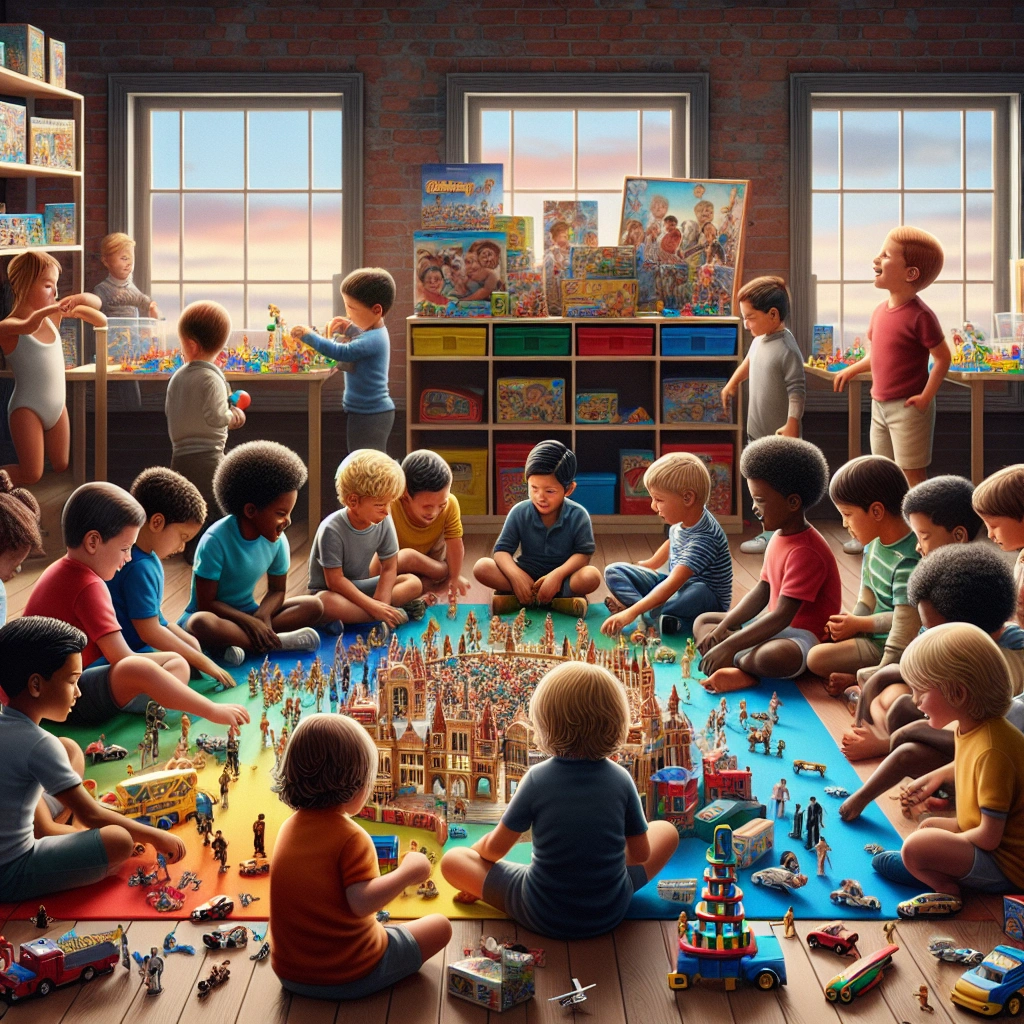
Finding the right toys to support the social development of young boys is crucial. We’ve handpicked toys that promote healthy socialization, taking into account their educational value, positive reviews, and encouragement of cooperative play.
LEGO Classic Medium Creative Brick Box
The LEGO Classic Medium Creative Brick Box encourages boys to build and cooperate with others, boosting social skills and creativity. The versatility of LEGO allows for an endless range of scenarios, fostering group play and sharing.
[product_card link=”https://www.amazon.com/s?k=LEGO+Classic+Medium+Creative+Brick+Box&tag=bwv-lc” name=”Lego Classic Medium Creative Brick Box” show_tag=”false” img1=”https://m.media-amazon.com/images/W/MEDIAX_792452-T2/images/I/71CmoxVnqFL._AC_UL320_.jpg” img2=”https://m.media-amazon.com/images/W/MEDIAX_792452-T2/images/I/81kN717qdHL._AC_UL320_.jpg”]
| Pros | Cons |
|---|---|
| Encourages creativity and problem-solving | Small pieces can be easily lost |
| Promotes sharing and cooperative play | May require storage for organization |
| Endless play possibilities with instruction booklet included |
Melissa & Doug Wooden Building Blocks Set
The Melissa & Doug Wooden Building Blocks Set is perfect for young boys to develop motor skills and cooperative playing habits. This set includes 100 durable wooden blocks in various shapes and colors.
[product_card link=”https://www.amazon.com/s?k=Melissa+%26+Doug+Wooden+Building+Blocks+Set&tag=bwv-lc” name=”Melissa & Doug Wooden Building Blocks Set” show_tag=”false” img1=”https://m.media-amazon.com/images/I/81fHjVjrM8L._AC_UL320_.jpg” img2=”https://m.media-amazon.com/images/I/810oOgR+E5L._AC_UL320_.jpg”]
| Pros | Cons |
|---|---|
| Promotes hand-eye coordination | Plain design may not attract all boys |
| Encourages social play and teamwork | Might require additional sets for larger structures |
| Durable and timeless wooden toy |
Hot Wheels 9-Car Gift Pack
The Hot Wheels 9-Car Gift Pack offers boys a collection of vehicles for imaginative role-play and interaction with peers. It also facilitates discussions about different car types, which can be a great group activity.
[product_card link=”https://www.amazon.com/s?k=Hot+Wheels+9-Car+Gift+Pack&tag=bwv-lc” name=”Hot Wheels 9-Car Gift Pack” show_tag=”false” img1=”https://m.media-amazon.com/images/W/MEDIAX_792452-T1/images/I/717vmR2p1OL._AC_UL320_.jpg” img2=”https://m.media-amazon.com/images/W/MEDIAX_792452-T1/images/I/91Nb72YLbiL._AC_UL320_.jpg”]
| Pros | Cons |
|---|---|
| Encourages sharing and group play | Competitive play may arise |
| Stimulates conversation and teamwork | Small parts, not suitable for very young children |
| Diverse car designs for imaginative play |
ThinkFun Gravity Maze Marble Run Brain Game
The ThinkFun Gravity Maze Marble Run Brain Game is an excellent choice to challenge a young boy’s problem-solving skills. The game can be played alone or with friends, promoting strategic thinking and spatial reasoning.
[product_card link=”https://www.amazon.com/s?k=ThinkFun+Gravity+Maze+Marble+Run+Brain+Game&tag=bwv-lc” name=”Thinkfun Gravity Maze Marble Run Brain Game” show_tag=”false” img1=”https://m.media-amazon.com/images/I/41pqzE+GYNL._AC_UL320_.jpg” img2=”https://m.media-amazon.com/images/I/81xZ2fdTc7L._AC_UL320_.jpg”]
| Pros | Cons |
|---|---|
| Enhances logic and spatial reasoning | Some may find the game challenging |
| Multi-level game play for long-term engagement | Pieces must be handled with care |
| Encouraging teamwork in solving complex puzzles |
Flybar My First Foam Pogo Jumper for Kids
The Flybar My First Foam Pogo Jumper for Kids helps boys develop coordination and encourages active play. It’s a fun way to promote physical activity and social interaction during playdates or family gatherings.
[product_card link=”https://www.amazon.com/s?k=Flybar+My+First+Foam+Pogo+Jumper+for+Kids&tag=bwv-lc” name=”Flybar My First Foam Pogo Jumper For Kids” show_tag=”false” img1=”https://m.media-amazon.com/images/I/51svYNXwp+L._AC_UL320_.jpg” img2=”https://m.media-amazon.com/images/I/71QmScc-GUL._AC_UL320_.jpg”]
| Pros | Cons |
|---|---|
| Supports physical activity and balance | May not engage children who prefer quiet play |
| Durable foam design for safe play | Limited to one user at a time |
| Encourages group play and turn-taking |
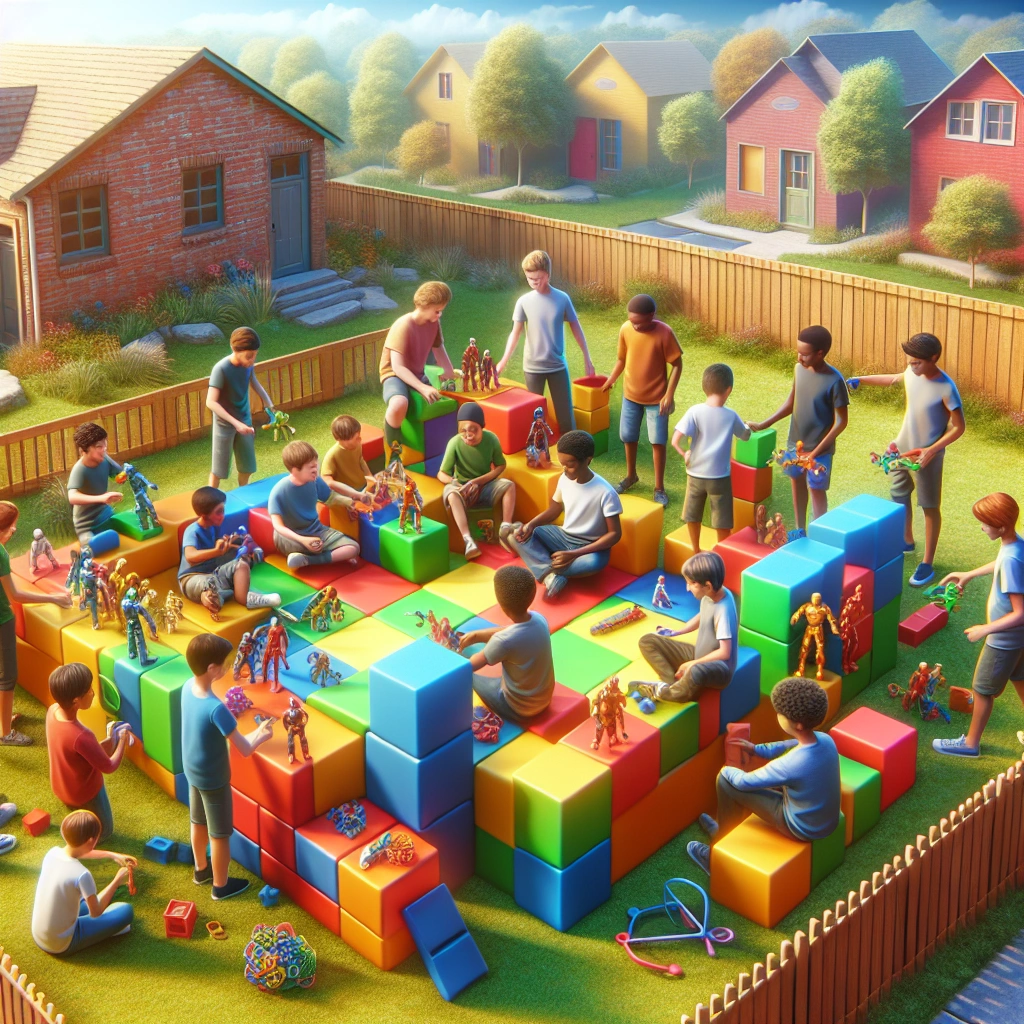
Top Recommended Product for Enhancing Male Childhood Socialization through Play
If you want the best tool for nurturing cooperative play and social development in young boys, I highly recommend the LEGO Classic Medium Creative Brick Box. LEGO sets are famous for their ability to promote creativity, problem-solving, and teamwork in an engaging manner.
[product_card link=”https://www.amazon.com/s?k=LEGO+Classic+Medium+Creative+Brick+Box&tag=bwv-lc” name=”Lego Classic Medium Creative Brick Box” show_tag=”false”]
LEGO bricks allow kids to create their own stories and share their creations, providing a common ground for social interaction. This classic set serves as an excellent foundation for imaginative and cooperative play.
Ready to support your child’s social development? Check out the LEGO Classic Medium Creative Brick Box today for the best results!
[product_card link=”https://www.amazon.com/s?k=LEGO+Classic+Medium+Creative+Brick+Box&tag=bwv-lc” name=”Lego Classic Medium Creative Brick Box” show_tag=”true” img1=”https://m.media-amazon.com/images/I/81+xlh0eUIL._AC_UL320_.jpg” img2=”https://m.media-amazon.com/images/I/81vrb7R4PJL._AC_UL320_.jpg”]
[faq_section title=”Frequently Asked Questions”]
[faq question=”How do toys influence gender socialization?” answer=”Toys influence gender socialization by reinforcing stereotypes; they guide boys towards action figures and cars that embody power, and girls to dolls and domestic play, setting early societal roles.”]
[faq question=”How does gender play a role in socialization?” answer=”Gender influences socialization through family, schools, peers, and media, each perpetuating traditional gender roles and expectations across various environments.”]
[faq question=”How does gender influence children’s play?” answer=”Children often select toys and activities aligning with societal gender norms by three years old, shaping their preferences and social interactions according to their perceived gender.”]
[faq question=”How is children’s play influenced by gender roles?” answer=”Gender roles steer kids towards gender-conforming toys and activities, impacting their social expectations and personal interests based on societal conventions of masculinity and femininity.”]
[faq question=”How do toys promote socialization?” answer=”Toys encourage socialization by facilitating interactive play that develops communication, sharing, and cooperative skills, fostering social engagement and learning.”]
[faq question=”What are the problems with gendered toys?” answer=”Gendered toys can limit children’s developmental potential by confining them to stereotypical roles, hindering a full range of emotional and cognitive growth.”]
[faq question=”What role do parents play in the gender socialization of their children?” answer=”Parents shape gender socialization by acting as primary role models, encouraging activities that align with traditional gender roles, and often introducing gender-biased beliefs and behaviors.”]
[/faq_section]
